

Building a new home or remodeling an existing one is an exciting journey, but it can be overwhelming without proper planning. A clear and organized home construction checklist is essential to keep your project on track. The process involves many steps, from foundation to finishing touches, and every stage needs attention to detail. With the right checklist, you can ensure everything goes as planned, avoiding delays, cost overruns, or mistakes. In this article, we will walk you through a comprehensive home construction checklist, covering every phase of construction to ensure a smooth build.
Understanding the Importance of a Home Construction Checklist
A home construction checklist is not just a to-do list; it’s a roadmap that guides homeowners through the entire building process. Whether you’re constructing a new home, adding an ADU, or doing a full renovation, this checklist helps you stay organized and ensures you don’t miss crucial steps. Many homeowners struggle with managing the complex tasks involved in construction projects. That’s why having a detailed checklist tailored to your specific project is vital for avoiding errors and maintaining quality throughout the process.
Start with a Strong Foundation: Pre-Construction Phase
Before breaking ground, proper planning is essential. The first step in any home construction project is to outline your goals. Do you want a completely new home, or are you upgrading an existing property? Establish a realistic budget, timeline, and scope of work. You should also decide whether you’ll manage the project yourself or hire a general contractor. If you’re opting for a contractor, selecting a trusted company like RnD Builders Inc ensures you’re working with experts who can guide you every step of the way.
Planning Your Budget and Timeline
Budgeting is one of the most critical steps. A well-prepared budget will help you understand the financial scope of your project. You should include costs for labor, materials, permits, and unforeseen expenses. Make sure to allocate a contingency fund for unexpected issues. Additionally, you should establish a timeline with clear milestones, so you know when each phase of the project should be completed.
Permits and Legal Requirements
The next step is securing the necessary permits. Depending on your location in Los Angeles or Ventura County, building codes and regulations can vary. Working with a contractor familiar with local rules will ensure you meet all legal requirements and avoid costly fines or delays. From zoning laws to environmental regulations, your contractor will help ensure compliance with all laws.
New Home Construction Checklist: Step-by-Step Process
When you embark on new home construction, several tasks need to be completed. Your home construction checklist will guide you through each phase, from site preparation to the final walk-through.
Site Selection and Land Preparation
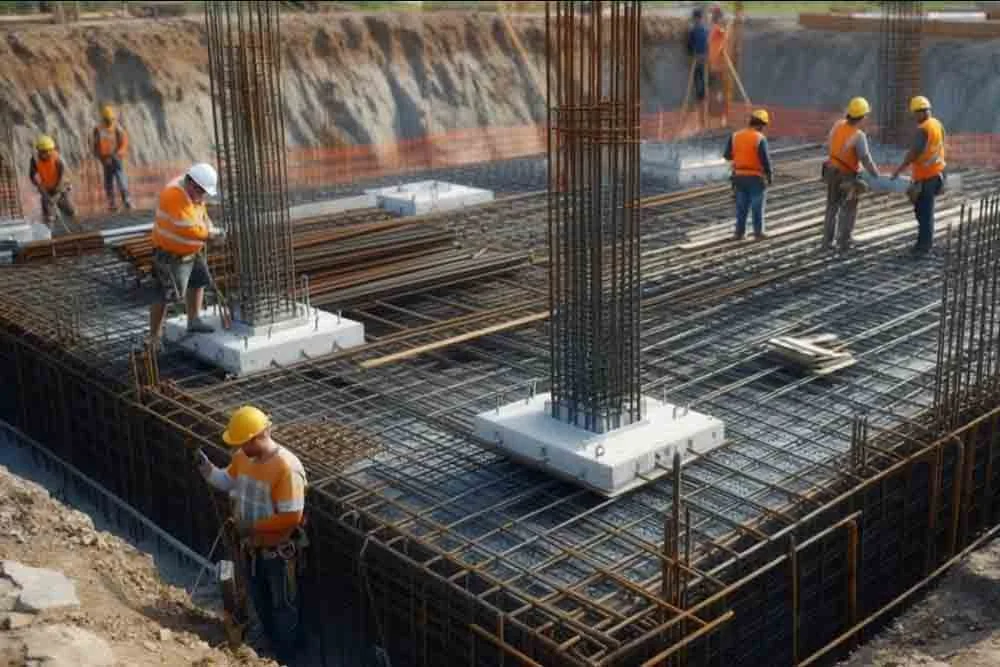
Choosing the right plot of land is crucial for your new home. Assess the topography, soil quality, and surrounding infrastructure. Land preparation involves clearing the lot, leveling the ground, and laying out the foundation. This step also involves digging trenches for utilities and ensuring proper drainage systems are in place to prevent future flooding or water damage.
Foundation and Framing
Once the site is prepared, the foundation is the next step. The foundation type will depend on the soil conditions and the type of structure you plan to build. Common foundation options include slab, crawl space, and full basement. After the foundation is set, the framing process begins. This includes the construction of the skeleton of the house, including walls, floors, and the roof structure.
Roofing and Exterior Work
Roof installation follows framing. Choose a roofing material that suits your aesthetic preferences and budget. Common options include asphalt shingles, metal roofs, and clay tiles. After the roof is complete, exterior work such as siding installation, windows, and door placements follows.
Interior Checklist for Building a House
Once the exterior is completed, focus shifts to the interior of the house. This includes the installation of electrical wiring, plumbing systems, insulation, and drywall. You’ll also begin installing flooring, cabinets, and countertops. Careful planning at this stage ensures your home’s functionality aligns with your vision and needs.

Choosing the Right Materials and Finishes
The materials you choose for your home will have a significant impact on the final look and feel. This includes flooring, countertops, windows, and lighting fixtures. It is important to select materials that match your style while staying within budget. Investing in energy-efficient materials can also save on utility bills in the long run.
Interior Design and Layout
At this stage, you’ll work with an interior designer to create a layout that fits your lifestyle. Whether it’s optimizing space or choosing the right color schemes, interior design will make your house feel like a home. Plan the layout of each room carefully to make sure the flow of the space works for you.
Managing the Build from Start to Finish
Once the interior work begins, it’s important to track the progress of each phase. Timely inspections help ensure that everything is installed correctly. It’s crucial to stay on top of the project’s milestones to prevent delays and stay within your timeline.
Project Milestones and Inspections
To stay on track, break down your project into key milestones. This includes completing the foundation, framing, plumbing, and electrical systems. Each phase should be inspected to ensure everything meets building codes and standards. A general contractor should manage these inspections to avoid any mishaps and ensure quality control.
Dealing with Unexpected Issues
Construction projects often face unexpected challenges, such as delays or material shortages. It’s important to have a contingency plan in place to deal with such issues. A reliable contractor will work with you to resolve any problems quickly and keep the project moving forward.
General Contractor Checklist for Building a House
Hiring the right general contractor is essential to the success of your home construction project. Your contractor should have experience in the type of construction you’re pursuing. They should also have a network of reliable subcontractors who can handle specialized tasks such as electrical work, plumbing, and landscaping.

Choosing a Reliable Contractor
When hiring a general contractor, look for someone with a proven track record of successful projects. They should be fully licensed and insured. You can verify their credentials and ask for references from past clients. Your contractor should be transparent with costs, timelines, and project details.
Final Touches and Preparing for Move-In
Once the construction is complete, the final step is the finishing touches. This involves doing a final inspection, fixing any minor issues, and ensuring everything works correctly. When everything checks out, it’s time to move into your newly constructed or renovated home.
Final Thoughts
Having a home construction checklist is vital for homeowners looking to build a new home, add an ADU, or renovate their existing space. It ensures that every phase of the project, from planning and budgeting to the final walk-through, is executed smoothly. Working with an experienced company like RnD Builders Inc guarantees timely project completion and high-quality results. The construction process may be complex, but with the right checklist and trusted professionals by your side, the journey will be much easier.
You may also find it useful to read our guide on custom home features worth adding.
Homeowners often pair this with our post on how to calculate new home construction cost.
You may also find it useful to read our guide on full home construction process.
Want professional help with this project? Our new home construction services cover everything from design to final inspection — serving Oxnard, Simi Valley, and beyond. (805) 367-1965.
Learn more about our work in Woodland Hills.
Learn more about our work in Calabasas.


