


A clear plan saves time and money. A strong roadmap protects your budget. Many homeowners face delays due to poor sequencing of work. Industry data shows that most custom builds exceed timelines when planning stays weak. A structured home construction process keeps control in your hands. A reliable builder also reduces cost overruns and permit issues.
Experience from Rnd Builders projects shows early planning cuts change orders and saves time. A recent custom layout moved from permit to framing ahead of schedule because drawings and selections were finalized before ground work. A disciplined approach always delivers better results.
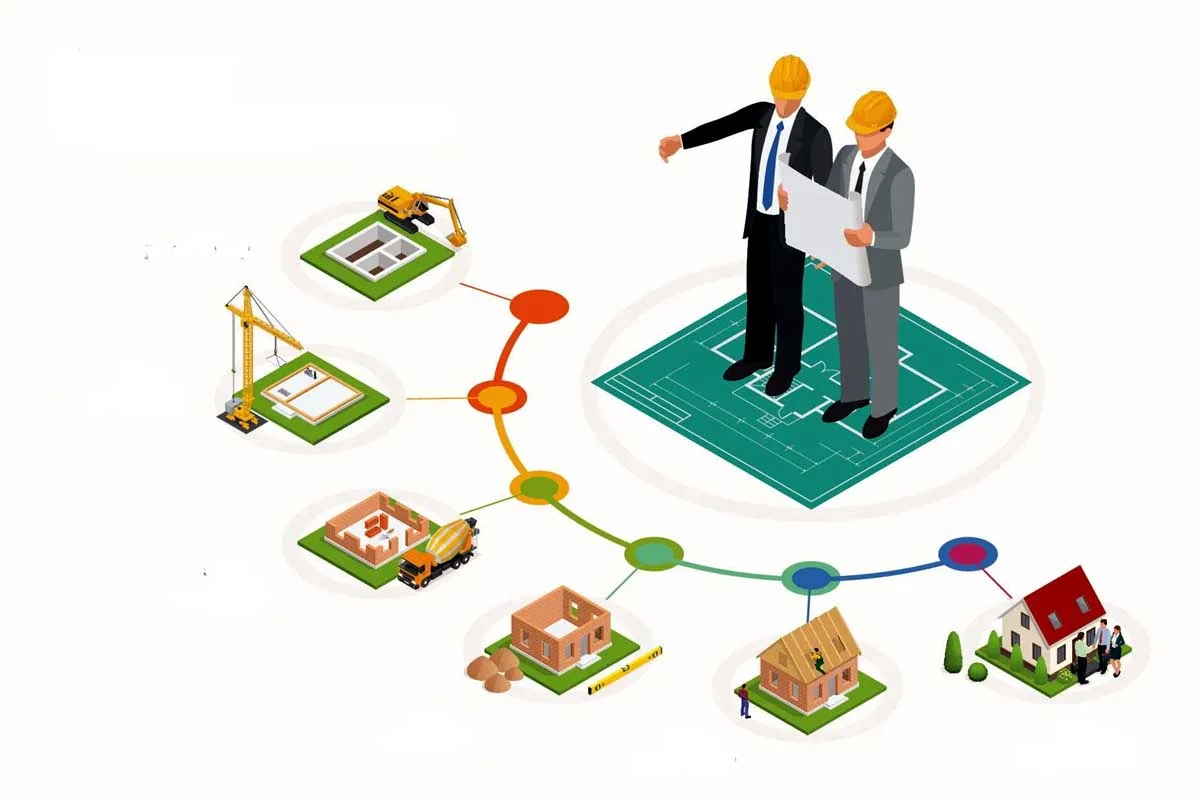
Home construction process step by step
Pre-construction planning
A realistic budget sets the direction of the entire project. Land cost, design fees, permits, and material allowances need early calculation. A contingency reserve near 15% protects against price fluctuations. Construction market reports show that material volatility affects total build cost each year.
A qualified team prevents structural and legal problems. An architect prepares code-compliant drawings. An engineer verifies load paths and foundation design. A licensed contractor sequences trades and controls site logistics.
A soil test protects your investment. Foundation cracks often trace back to a skipped geotechnical review. Repair costs later exceed initial testing fees by a wide margin.
A personalized layout improves daily living. Families often request flexible rooms and storage zones. That requirement connects naturally with Custom Homes for tailored planning and future adaptability.
Design and permits
A complete blueprint speeds approval from local authorities. Permit offices reject incomplete plans more than any other issue. Electrical layouts, structural notes, and energy calculations support faster review.
Energy efficiency reduces long-term expenses. Proper insulation and HVAC zoning lower utility bills significantly. Window placement improves daylight and indoor comfort.
A structured design phase also supports structural safety. Complex layouts and load-bearing wall changes require professional analysis. Many homeowners rely on Architectural & Engineering services for compliance and performance.
Site preparation and foundation
Land clearing creates safe access for equipment. Excavation follows grading plans to control drainage. Poor grading causes water intrusion and slab movement.
Foundation type depends on soil and climate. Slab foundations suit stable ground. Crawlspaces allow easier access to utilities. Basements increase usable square footage and resale value.
Waterproof membranes extend structural life. Termite barriers protect wood framing in vulnerable zones.
Outdoor grading also prepares space for lifestyle features. Proper planning allows room for Patios & Fences and safe surface drainage.
Framing and structural build
Framing forms the skeleton of your home. Floor systems, wall studs, and roof trusses define structural strength. Construction timelines show framing consumes a major portion of visible progress.
A fast roof installation protects lumber from moisture exposure. Dry framing reduces long-term warping and mold risk.
Window alignment improves ventilation and natural light. Housing research links daylight access with improved indoor comfort and reduced energy use.
Garage framing also opens future opportunities. Many homeowners later convert unused space into a garage conversion that increases living area and property value.
Systems installation
Mechanical systems follow structural inspection. Electrical wiring requires panel load planning and circuit mapping. Plumbing lines must pass pressure tests before wall closure. HVAC duct layout affects airflow balance and efficiency.
Energy audits show poor duct sealing wastes conditioned air. Proper installation lowers operating costs and improves comfort.
Structured wiring supports automation and security systems. Smart controls also improve energy monitoring.
Kitchen rough-ins determine appliance placement and workflow. Many homeowners later upgrade through Kitchen Remodeling to enhance storage and usability.
Interior and exterior finishes
Drywall creates smooth interior surfaces. Paint selection affects light reflection and room perception. Neutral palettes often support higher resale value.
Flooring choice affects durability and maintenance. Hardwood adds long-term value. Tile improves moisture resistance in wet zones.
Cabinet layout defines storage efficiency. Countertop material influences maintenance and lifespan.
Bathroom finishing requires waterproof membranes and proper ventilation. Mold prevention depends on airflow and moisture control. Homeowners often request Bathroom Remodeling to modernize fixtures and improve accessibility.
Exterior finishes protect against climate exposure. Roofing material affects lifespan and insurance cost. Siding selection influences maintenance needs.
Outdoor living areas expand usable space. Market data shows homes with entertainment zones attract stronger buyer interest. Lifestyle upgrades often include Outdoor Kitchens and Swimming Pools for family use and resale appeal.
Ground planning also supports low-maintenance surfaces. Many properties benefit from Ground Covers that reduce water use and simplify upkeep.
Final inspections and handover
Code compliance confirms structural safety and system reliability. Electrical and plumbing approvals ensure long-term performance. A certificate of occupancy allows a legal move-in.
A final walkthrough identifies minor corrections. A punch list ensures all details meet expectations before closing.
Interior styling influences first impressions and daily comfort. Many homeowners enhance cohesion through Interior Design and Exterior Design for a unified look.
What are the 5 stages of building a house?
A simplified framework helps first-time builders understand the journey.
- Planning and budgeting
- Design and permits
- Foundation and framing
- Systems and finishes
- Inspection and handover
Project management studies show homes that follow a five-phase structure finish closer to schedule and budget targets.
Steps in building a house timeline
A realistic schedule prevents frustration and cost escalation. Average custom builds span eight to twelve months, depending on size and complexity.
- The planning phase requires one to three months
- Permit approval requires one to two months
- Foundation work requires three to four weeks
- Framing requires one to two months
- Systems installation requires four to six weeks
- Interior finishes require one to two months
- Final inspection requires two to three weeks
Weather delays, material shortages, and labor availability affect timelines. Early material selection reduces waiting periods and storage fees.
Home additions follow a similar schedule but often move faster due to existing infrastructure. Many clients choose Home Additions to expand space without full relocation.
Accessory units also gain popularity for rental income and multigenerational living. Structured planning supports zoning compliance for Accessory Dwelling Units and increases property value.
Financial steps to building a house
A clear financing plan prevents mid-project stress. Construction loans convert into long-term mortgages after completion. Lenders release funds in stages based on inspection milestones.
Budget planning must include land cost, labor, materials, permits, and contingency reserves. Cost tracking during construction prevents overruns.
Market data shows interior finishes and labor represent the largest share of total expenses. Early selection of fixtures and materials locks pricing and reduces change orders.
A professional builder provides transparent cost schedules and progress reports. That approach protects your investment and maintains timeline control.
Final thoughts
A structured home construction process transforms a complex project into a manageable journey. Clear planning, professional design, and disciplined sequencing protect your budget and timeline. A trusted builder ensures quality control at every stage.
Every project should reflect your lifestyle and long-term goals. Custom layouts support growing families. Smart upgrades improve efficiency and comfort. Outdoor features expand living space and increase property value.
A well-built home stands as a long-term asset. Careful decisions during each phase deliver durability, functionality, and visual appeal.
From planning to permits, our new home construction services make projects like this simple — including for homeowners in Ventura and Ventura County. Free estimate: (805) 367-1965.
Related Reading
Explore related guides that pair well with this article:
- Continue reading: how to construct a home in Los Angeles
- Continue reading: home construction checklist
- Continue reading: how to calculate new home construction cost


