

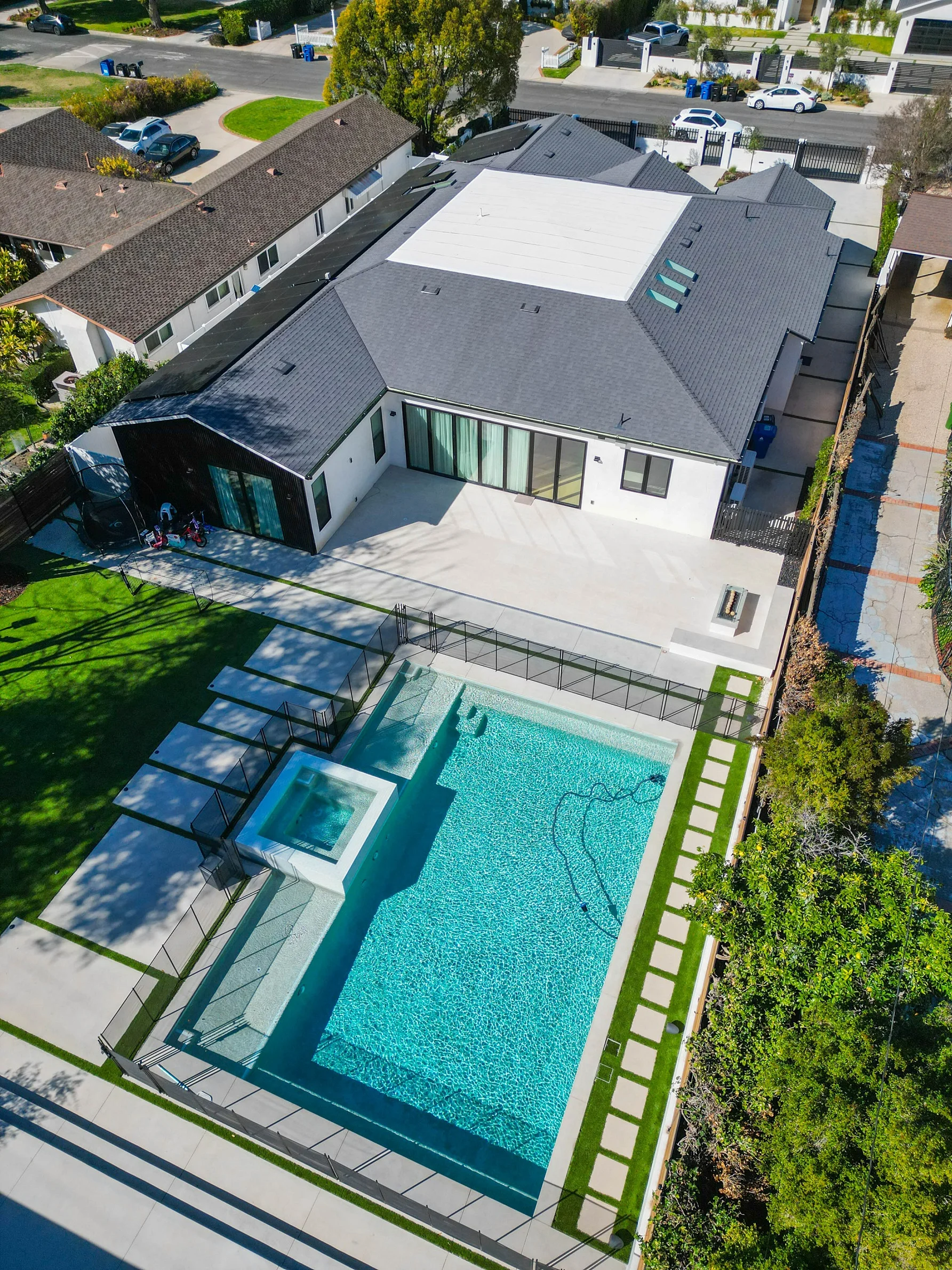

The new construction vs existing home decision comes down to price, timeline, and how much customization matters to you. This 2026 guide breaks down every factor buyers weigh when comparing new construction vs existing home options in LA and Ventura County.
In the new construction vs existing home debate, a new construction home wins if you want a modern design, low maintenance, and better energy efficiency. Everything is brand new, so there are fewer repair costs, and utility bills are usually lower, but the price is higher, and these homes are often farther from the city or take time to be ready. An RND builder brand-new build also promises efficiency and modern design, which makes it attractive for comfortable long-term living.
An existing (older) home is better if you want a good location, a lower price, and a house you can move into immediately. These homes are usually closer to markets, schools, and transport, but they may need repairs or renovation, and the design may not be modern.
New Construction vs Existing Home: Core Differences
A new construction home usually comes with modern building codes, fresh materials, and a builder’s warranty. A move-in timeline often ranges from six to twelve months. A design phase allows control over layouts, finishes, and technology.
An existing home comes with prior ownership history and immediate availability. A closing period often stays within thirty to sixty days. A neighborhood usually includes schools, retail, and transit that already function.
A visual comparison chart here helps readers scan key differences in cost, timing, and maintenance.
Timeline and Move-In Readiness
A construction timeline demands patience. A weather delay or material shortage can extend completion. A buyer who needs immediate relocation often prefers an existing home.
A quick move reduces temporary housing costs. A resale purchase suits job transfers or school deadlines. A flexible timeline suits buyers who want customization and long-term efficiency.
A short decision quiz placed here increases engagement. A question about move-in urgency helps readers identify the better path.
Customization Versus Character
A new build allows control over layout, finishes, and smart systems. A kitchen layout can match daily routines. A bathroom design can include modern fixtures and storage. A family that cooks often may prioritize Kitchen Remodeling upgrades in a new plan.
An older home offers architectural detail and mature surroundings. A central location often increases walkability and resale appeal. A renovation option allows updates over time. A client who purchased an older property later added Home Addition services to create extra space without leaving a preferred neighborhood.
A photo comparison between modern open layouts and traditional interiors improves visual engagement.
Location and Community Factors
A new development often appears in growing suburbs. A planned community may include parks and shared amenities. A future appreciation potential depends on regional growth and infrastructure.
An established neighborhood offers proximity to employment centers and public transit. A housing demand report shows central locations retain value during market shifts. A buyer who values shorter commutes may accept higher maintenance in exchange for daily convenience.
A lifestyle question helps readers evaluate priorities. A preference for walkability often points toward an existing home. A preference for new amenities often supports a new build.
Resale Value and Investment Outlook
A property value depends more on location than age. A well-located older home can outperform a poorly located new build. A housing finance study shows renovation projects often increase resale value when they improve kitchens, bathrooms, and exterior appeal.
A new home may experience slight depreciation after purchase due to premium pricing. A long-term hold usually recovers that gap through appreciation and lower repair costs.
An investor perspective also matters. A new property reduces maintenance risk for rental income. An older home allows value-add through Interior Remodels or Garage Conversion for additional living space.
Maintenance and Efficiency Expectations
A builder’s warranty covers structural elements and major systems during the early years. A reduced repair frequency lowers stress and unexpected expenses.
An older home requires a thorough inspection before purchase. A proactive upgrade plan protects long-term value. A bathroom update through Bathroom Remodeling often delivers a strong return on investment, according to remodeling cost reports.
A monthly utility comparison chart placed here supports efficiency claims with data.
Lifestyle Fit and Long-Term Comfort
A growing family often prefers a new build with flexible layouts and smart technology. A homeowner who values design control benefits from Interior Design planning during construction.
A buyer who enjoys outdoor living may prioritize an existing home with established yards. A later upgrade, such as upgrading Outdoor Kitchens or Swimming Pools, can enhance lifestyle without relocation.
A retirement buyer often prefers low-maintenance and single-story layouts available in many new communities.
Common Mistakes That Affect Property Value
A poor location reduces appreciation potential. A neglected roof or foundation issue increases long-term cost. An over-customized design can limit resale appeal. A remodeling report shows excessive luxury upgrades rarely recover full cost in mid-range neighborhoods.
A buyer who plans future expansion should review zoning and space. A project such as an accessory dwelling unit addition can create rental income and increase property value when local regulations allow.
New Construction vs Existing Home: Decision Framework
A tight budget and urgent move-in need often point toward an existing home. A flexible timeline and desire for efficiency often support new construction. A location priority usually favors established neighborhoods. A low-maintenance goal often favors a new build.
A consultation with design and planning professionals improves decision quality. A project that includes Architectural & Engineering guidance ensures structural efficiency and future expansion options.
Personal Experience From Recent Buyer Consultations
A first-time buyer recently compared two options within the same school district. A new build required a nine-month wait but offered energy savings and a warranty. A resale option required a kitchen upgrade within two years. A ten-year projection showed the new home saved nearly twenty percent in maintenance and utilities. A commute analysis favored the resale by fifteen minutes daily. A final choice depended on work flexibility and long-term residency plans.
A similar approach works for most buyers. A written cost projection and lifestyle checklist clarify priorities better than emotional preference.
Final Thoughts
A better choice depends on daily routines, financial planning, and long-term goals. A new construction home offers efficiency, customization, and lower early maintenance. An existing home offers faster occupancy, central locations, and potential for value-add renovations. A total cost analysis over ten years provides the most accurate comparison.
A buyer who plans to stay long term often benefits from new construction. A buyer who values location and immediate availability often benefits from an existing home. A balanced evaluation protects both lifestyle and investment.
People also ask
Is it better to buy an existing home or build
A better option depends on the timeline, budget, and location priority. A long-term stay and efficiency goal often support building. A quick move and a central location often support buying resale.
What decreases property value the most
A poor location, structural damage, and outdated major systems reduce value significantly. A lack of maintenance also affects resale price.
What is the rule of 3 when buying a house
A common guideline suggests comparing three properties, three neighborhoods, and three financing options before a final decision.
Is $400,000 enough to build a house?
A sufficient budget depends on region, size, and design complexity. A modest custom home may fit that range in some markets, while high-cost areas may require a higher budget.
Work With a Licensed Design-Build Team
RnD Builders Inc is a California-licensed (B) general contractor and design-build firm with 300+ completed projects across Los Angeles and Ventura County.
Request a free estimate or call (805) 367-1965.
From planning to permits, our bathroom remodeling services make projects like this simple – including for homeowners in Westlake Village and Agoura Hills. Free estimate: (805) 367-1965.
Want professional help with this project? Our home addition services cover everything from design to final inspection – serving Moorpark, Camarillo, and beyond. (805) 367-1965.
Related Buyer Resources
- NAHB new home data: nahb.org
- NAR existing home sales: nar.realtor
- DOE new home energy standards: energy.gov
Related Reading
Explore related guides that pair well with this article:
- Continue reading: how to calculate new home construction cost
- Continue reading: hiring a custom home builder
- Continue reading: custom home features worth adding


