

Homeowners often seek a refined façade that reflects value and style. The principles of exterior design guide decisions that shape proportion, harmony, and curb appeal. Research from the National Association of Realtors shows that strong curb appeal can raise property value by up to 7 percent. Real estate agents in Los Angeles confirm that exterior cohesion affects buyer perception within seconds. Therefore, knowledge of the principles of exterior design becomes essential for successful remodeling and new construction.
Why The Principles Of Exterior Design Matter For Residential Projects
It is important to know that exterior design influences first impressions and long-term resale value. Homeowners in Ventura County often invest in facade upgrades before listing properties. Zillow housing data reports that homes with high curb appeal sell up to 14 percent faster than comparable listings. Strong exterior composition also improves neighborhood harmony and visual consistency.
Examples from Los Angeles neighborhoods show how unified façades attract higher appraisal values. Spanish-style homes maintain consistent arches and stucco tones to preserve architectural identity. Contemporary homes use linear forms and neutral palettes for a clean visual message. Such outcomes occur when the principles of exterior design guide each decision from concept to construction.
The Core Principles Of Exterior Design Every Homeowner Should Understand
Balance Creates Visual Stability
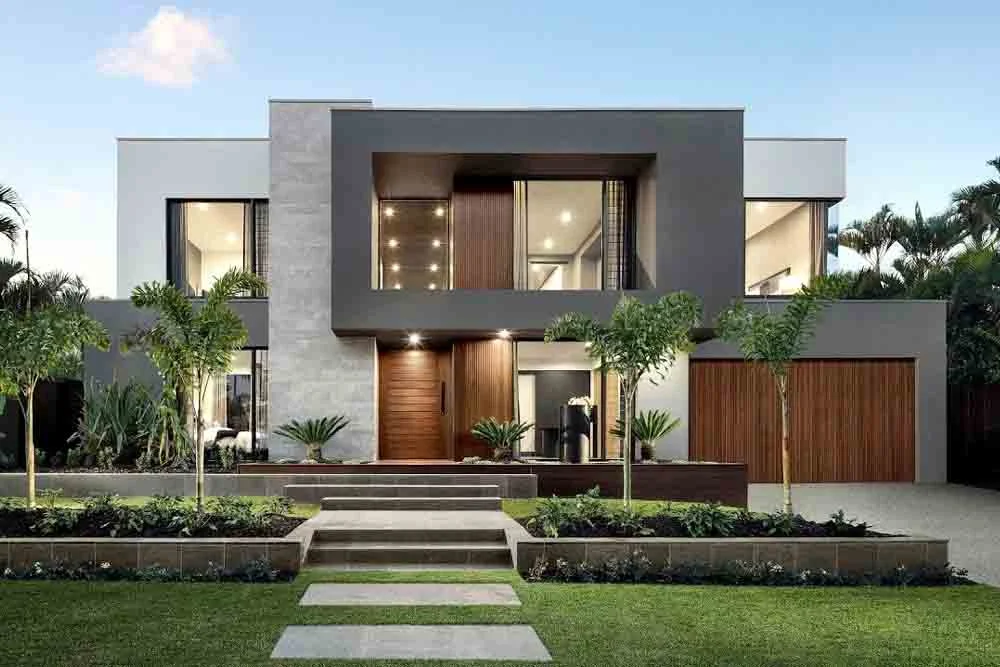
It is important to recognize that balance organizes visual weight across a façade. Symmetrical balance places windows and doors evenly on both sides of a central axis. Asymmetrical balance uses varied elements that still feel stable and intentional. Architectural Digest notes that balanced facades improve perceived quality in luxury homes.
Consider a Beverly Hills residence that uses paired windows and centered entry doors. Buyers often describe such homes as elegant and timeless. Similar logic applies to room additions, where alignment preserves overall symmetry.
Proportion Defines Size Relationships
It is essential to know that proportion connects each element to the overall structure. Window size must match wall height and roof mass. Door dimensions should reflect scale and architectural style. Studies from the American Institute of Architects show that proportion errors reduce perceived design quality by more than 20 percent.
A Pasadena remodel demonstrates this principle clearly. Large picture windows replaced narrow openings and restored visual proportion. Property value increased after renovation, according to local appraisal records.
Scale Aligns The Home With Its Lot
It is important to evaluate scale in relation to the lot and surrounding homes. Oversized features can overwhelm a modest property. Smaller features may appear insignificant on larger structures. Real estate surveys indicate that scale mismatches often discourage buyers due to visual imbalance.
A two-story addition in Ventura County succeeded because the roof height matched neighboring homes. Architects adjusted massing to maintain neighborhood harmony and avoid HOA objections.
Rhythm And Repetition Guide The Eye
It is valuable to understand that repetition creates visual flow across the exterior. Repeated window shapes, columns, or trim lines establish a predictable pattern. Designers often use consistent spacing to guide attention naturally. According to Houzz renovation trends, repeated architectural elements increase perceived sophistication in modern homes.
A coastal California home used repeating vertical wood slats across the façade. Observers described the design as cohesive and calming. Such repetition reflects disciplined use of the principles of exterior design.
Harmony Ensures Cohesive Visual Identity
It is important to align materials, colors, and architectural details to achieve harmony. Mixed styles without coordination often create visual conflict. Research from Remodeling Magazine shows that cohesive exterior upgrades yield a higher return on investment than isolated changes.
A Santa Monica renovation combined stone veneer, neutral stucco, and black-framed windows. Each element supported a unified modern theme. Buyers responded positively due to the clear design direction.

Contrast Adds Depth And Interest
It is essential to apply contrast carefully to highlight key architectural features. Light walls paired with dark trim create depth and visual interest. Textural contrast between smooth stucco and rough stone also adds richness. Color theory studies reveal that moderate contrast improves the visual memorability of residential façades.
A Hollywood Hills project used charcoal metal panels against white plaster walls. Observers noted that the entry façade stood out without appearing excessive. Such thoughtful contrast demonstrates mastery of the principles of exterior design.
Focal Point Directs Attention To Key Features
It is important to establish a focal point that anchors the composition. Entry doors, statement windows, or custom porticos often serve this purpose. Real estate marketing data shows that highlighted entryways increase buyer engagement during home tours.
A modern farmhouse in Thousand Oaks emphasized a large pivot door with a warm wood finish. Visitors naturally focused on the entry, which created a welcoming impression.
Material Cohesion Blends Texture And Durability
It is valuable to coordinate exterior materials that complement each other in color and texture. Stone, wood, and metal must appear intentional rather than random. Building science research indicates that cohesive material selection improves perceived build quality and longevity.
A Malibu home combined natural stone base walls with cedar siding and black steel railings. Each material supported coastal durability and aesthetic unity. Projects handled by RnD Builders Inc often follow such coordinated material strategies to achieve durable results.
Lighting Highlights Architecture Day And Night
It is important to incorporate layered exterior lighting to enhance safety and visual drama. Uplights emphasize textures and downlights define pathways. Energy efficiency reports show that LED architectural lighting reduces power use while increasing nighttime curb appeal.
A Westlake Village residence installed warm LED uplights under eaves and along columns. Evening views revealed depth and elegance that daylight alone could not provide.
Landscape Integration Completes The Exterior Composition
It is essential to connect hardscape, greenery, and architectural form into a unified composition. Pathways, planters, and driveway materials must align with façade design. Landscape architects report that coordinated outdoor features raise perceived home value by up to 12 percent.
A Ventura coastal property integrated native plants and stone walkways that matched exterior cladding. The entire property presented a cohesive design narrative.
How The Principles Of Exterior Design Influence Remodeling And Additions
It is important to apply design principles consistently during renovation projects. Kitchen remodeling that alters window placement affects exterior balance. Bathroom expansions may change wall proportions and require façade adjustments. Remodeling case studies in Los Angeles show that integrated exterior planning reduces costly redesigns by nearly 18 percent.
Room additions provide another example. Architects must align rooflines and exterior materials with the original structure. Successful projects often rely on design-build coordination rather than isolated design decisions. Such coordination ensures that the principles of exterior design remain consistent across old and new sections.
Applying The Principles Of Exterior Design To Popular California Styles
It is valuable to match each design principle to the architectural style of the home. Spanish and Mediterranean homes rely on symmetry, arches, and warm stucco finishes. Contemporary homes favor minimal ornamentation and strong horizontal lines. Coastal homes use light palettes and natural textures that reflect seaside environments.
A Los Angeles contemporary remodel used large glass panels and flat rooflines to emphasize scale and rhythm. Meanwhile, a Mediterranean villa in Calabasas relied on tiled roofs and arched openings to maintain historical authenticity. Market reports from California real estate boards show that style-consistent exteriors attract higher buyer trust and stronger listing performance.
Common Exterior Design Mistakes That Reduce Property Appeal
It is important to avoid proportion errors during additions and façade changes. Oversized garage doors often disrupt balance and dominate visual composition. Excessive color variation can create visual noise and reduce elegance. Lighting neglect remains another common issue that limits nighttime appeal.
Home inspection surveys reveal that inconsistent exterior materials rank among the top visual complaints from potential buyers. Correct application of the principles of exterior design prevents such issues and preserves long-term value.
How a Design-Build Approach Simplifies Exterior Planning
It is essential to coordinate architecture, permits, and construction under one structured workflow. Design-build teams align structural planning with aesthetic goals from the start. Industry research shows that integrated design-build projects finish up to 30 percent faster than fragmented contractor models.
Professional firms often include exterior modeling, permit management, and construction supervision as part of their services. Such coordination reduces delays and maintains visual consistency across every phase. Homeowners who plan full renovations often request services that cover both exterior and interior upgrades to ensure a cohesive transformation.
Cost Versus Value Of Investing In Strong Exterior Design
It is important to evaluate long-term value rather than only initial construction cost. Remodeling Magazine’s Cost vs Value report notes that exterior upgrades, such as siding replacement and entry door upgrades, deliver returns between 60 and 90 percent. Strong exterior composition also reduces future redesign expenses because core visual principles remain stable over time.
A full façade renovation in Encino demonstrated this concept clearly. Property appraisal increased significantly after proportion, materials, and lighting received coordinated updates. The project confirmed that adherence to the principles of exterior design leads to measurable financial benefits.
Exterior Design Checklist For Successful Remodeling Projects
It is important to review balance, proportion, scale, and material cohesion before construction begins. Lighting and landscape alignment should receive equal attention to maintain visual harmony. Architectural compatibility with neighborhood style should guide material and color choices. Design reviews supported by architectural renderings often prevent costly revisions during later stages.
Projects that include coordinated services such as planning, permitting, and construction show higher satisfaction ratings according to customer surveys in Southern California. Such data supports the role of integrated project management in maintaining consistent exterior quality.
Why Homeowners Rely On Experienced Design Build Experts
It is important to rely on proven professionals who understand regional architecture and permit requirements. Firms with extensive project portfolios often demonstrate stronger design discipline and construction efficiency. Market analysis of remodeling companies in Los Angeles shows that experienced teams deliver more predictable timelines and fewer structural revisions.
Homeowners who plan ADUs, full renovations, or exterior upgrades often prefer professionals who manage architecture, permits, and construction under one umbrella. Such coordinated execution ensures that the principles of exterior design guide every decision from initial concept to final inspection.
Curb Appeal for Flat-Front Houses
Flat facades — common in LA’s postwar neighborhoods — need depth. What works:
- Add dimension: a covered entry portico or trellis breaks the flat plane and typically costs $8,000–$25,000.
- Contrast materials: wood or stone accents against smooth stucco.
- Modern garage door + oversized house numbers + new exterior lighting — the highest-impact trio under $10,000.
- Layered landscape: three heights (ground cover, shrubs, a specimen tree) frame the house.
Exterior Remodel Timelines: What to Expect
| Project | Typical duration |
|---|---|
| Paint + trim + lighting refresh | 2–4 weeks |
| New siding or smooth-stucco recoat | 4–8 weeks |
| Windows + doors replacement | 3–6 weeks (after 6–10 week ordering lead time) |
| Full facade transformation | 2–4 months |
Hiring an Exterior Remodeling Contractor: 8 Quick Checks
- Active CSLB license (verify at cslb.ca.gov) and insurance certificates
- Photos of completed exterior projects in your area — see ours here
- An itemized fixed bid, not a vague estimate
- Who pulls permits (it should be the contractor)
- A written schedule with milestones
- Payment schedule tied to completed work — never large deposits
- One point of contact for the whole project
- Warranty terms in writing
Planning an exterior transformation? Call RnD Builders at (805) 367-1965 for a free consultation.
For a companion read on this topic, see our post on is ground cover right for your yard.
Homeowners often pair this with our post on how to clean a cement patio.
Homeowners often pair this with our post on backyard remodel ideas.
For a companion perspective, read our post on backyard architect design.
For related pricing and process details, read our post on apartment building exterior design.


