

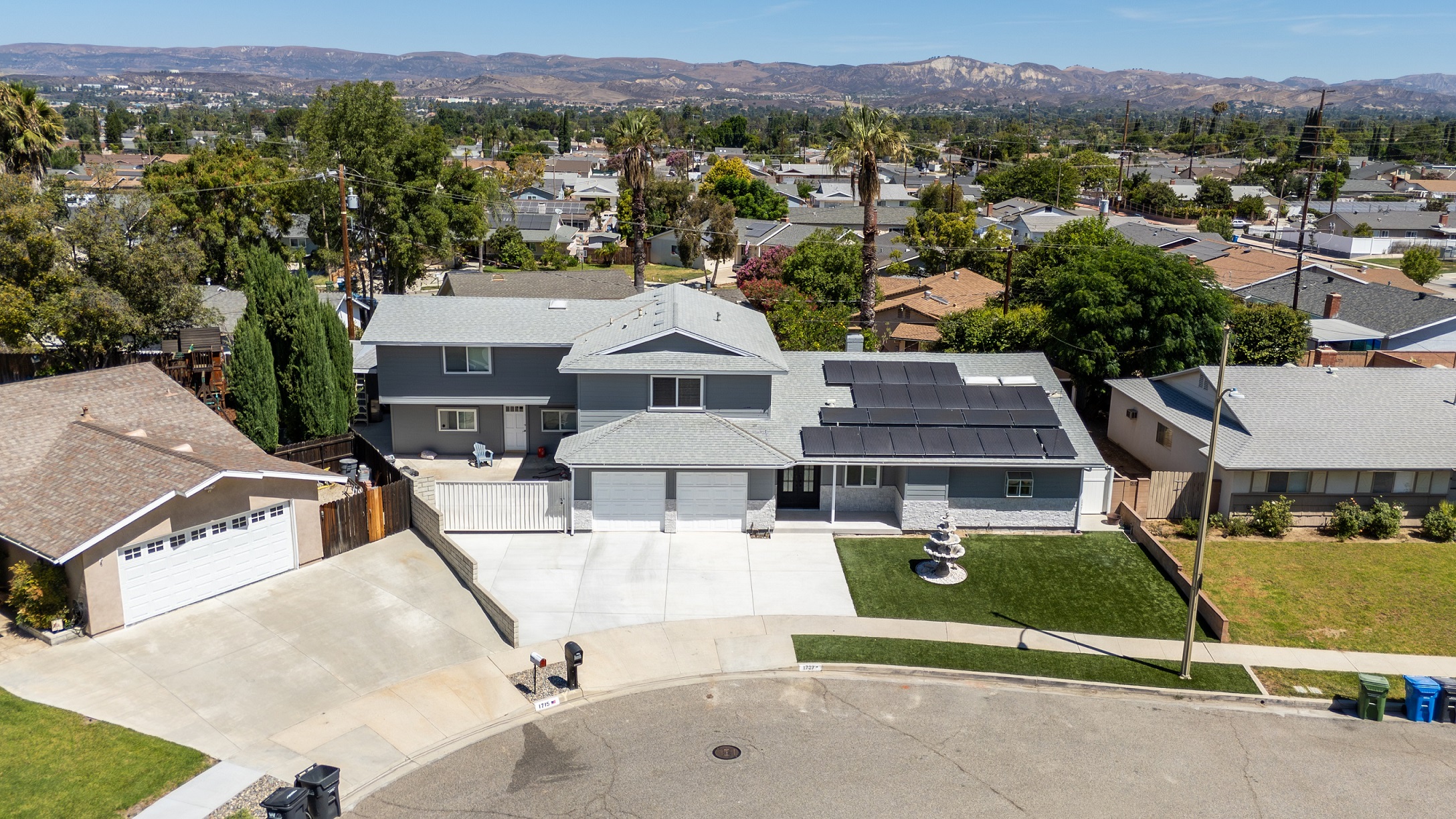
Building a fire-resistant home in Los Angeles is more than a choice; it’s a necessity. The region’s dry conditions and frequent wildfires make it one of the most fire-prone areas in the United States. This 2026 guide will help homeowners in Los Angeles and Ventura County understand how to make their homes safer and more resilient to fires. It’s important to know the right materials, construction techniques, and safety features to consider when constructing or upgrading a home in this area. If you want to build a fire-resistant home, following the strategies and tips outlined here will give you the protection you need.
Why Build A Fire-Resistant Home In Los Angeles?
Los Angeles is notorious for its wildfires. Over the past few years, several devastating fires have led to significant property loss. In 2020 alone, California lost more than 4 million acres to wildfires. This statistic underlines the urgency of incorporating fire-resistant construction techniques, especially for homes in the most vulnerable areas. Homes with proper fire-resistant measures can withstand the intense heat, protect families, and reduce the likelihood of fire damage.
Building a fire-resistant home is an investment that adds long-term value and safety. It lowers insurance premiums and ensures that homeowners can recover faster after a fire. Let’s dive deeper into how you can incorporate fire-resistant elements into your home.
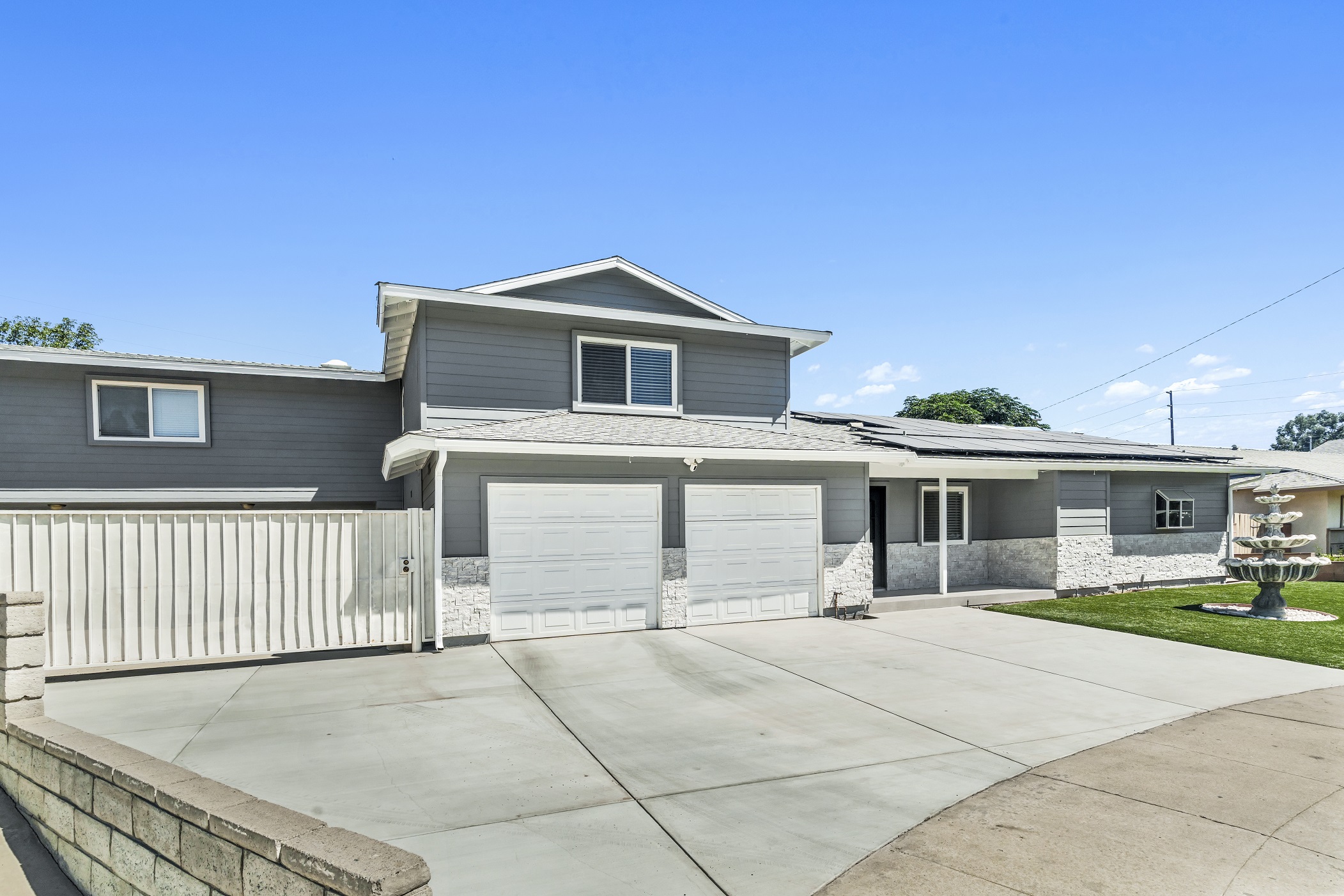
Key Elements Of A Fire-Resistant Home
When planning to build a custom home, it is crucial to select the right materials and construction methods. Fire-resistant homes require specific materials that can withstand flames, heat, and sparks. Here are some critical elements to consider when constructing your fire-resistant home:
1. Fire-Resistant Roofing Materials
The roof is one of the most vulnerable parts of any home. Wildfires can send embers flying through the air, landing on roofs and igniting them. To avoid this, use materials like metal, clay tiles, or concrete. These materials are non-combustible and will not catch fire easily. Fire-resistant roofing can significantly improve the safety of a home in fire-prone areas.
2. Fire-Resistant Exterior Walls And Siding
The materials used on the exterior walls of a home should be able to resist fire for a specific period. Opt for stucco, brick, or fiber cement siding. These materials are highly durable and offer excellent protection against high heat and direct flames. Additionally, make sure that the exterior has no gaps where embers can enter, as these small spaces can quickly turn into a fire hazard.
3. Fire-Resistant Windows and Doors
Windows and doors are also vulnerable in a fire situation. Choose tempered glass windows that are less likely to break under heat stress. Metal doors or doors made of fire-rated wood are a good choice for preventing flames from entering your home. Installing fire-resistant doors and windows can reduce the likelihood of a fire spreading to your interiors.
4. Fire-Resistant Landscaping
Landscaping plays a crucial role in fire prevention. Fire-resistant plants should be strategically placed to create defensible space around the home. Consider creating a fire break, an area devoid of vegetation that can stop the spread of fire. Use rocks, gravel, and non-combustible materials in your landscaping to reduce fire hazards near the home’s foundation.
Modern Fire Safety Features
Incorporating advanced fire safety features can further protect a home. These features add another layer of defense and peace of mind. Here are some modern safety systems to include:
1. Fire Suppression Systems
A sprinkler system is an excellent addition to any home in a fire-prone area. Automatic sprinklers can quickly extinguish flames or prevent fires from spreading to vital parts of the home. These systems can be installed throughout the house, including the attic, bedrooms, and hallways, to ensure maximum protection.
2. Smoke Detectors and Alarms
Installing smoke detectors throughout your home is essential for early fire detection. Choose smart smoke alarms that send notifications to your phone when smoke or heat is detected. These alarms can be connected to a home automation system for added convenience.
3. Fire-Resistant Furniture and Fixtures
Even the furniture and fixtures inside the home should be fire-resistant. Fire-rated insulation, treated fabrics, and flame-retardant furniture can minimize fire risks. While this may seem like a small detail, it can make a significant difference in reducing the spread of a fire inside the home.
Building A Fire-Resistant Home: The Steps You Should Take
When you decide to build a fire-resistant home, the process begins with careful planning. Each step involves making choices that will directly impact the safety and durability of your home. Let’s break down the key stages of building a fire-resistant home.
1. Initial Planning and Site Selection
The first step in building a fire-resistant home is selecting the right location. Homes in areas that are highly prone to wildfires should be built with more extensive fire protection measures. Additionally, assess the land’s topography. Homes on a hill or ridge may need more precautions than those built in valley areas.
2. Designing Your Home with Fire Safety in Mind
When designing a fire-resistant home, consider the layout and materials. RnD Builders Inc. offers design-build services that ensure your fire safety needs are met while creating a beautiful and functional home. Use materials like metal roofing, stucco siding, and fire-rated windows. These elements help to contain the fire, preventing it from spreading throughout the home. Proper ventilation and creating barriers to block ember paths are also essential.
3. Construction and Materials Selection
Once the design is finalized, it’s time to begin construction. At this stage, it’s essential to work with a fire-resistant construction contractor who understands the intricacies of fire-safe materials. For example, use fire-resistant concrete for the foundation and walls. Avoid wood in exterior finishes whenever possible, or opt for fire-treated wood if necessary.
4. Final Inspection and Safety Checks
After construction is completed, a thorough inspection must be done to ensure that all fire safety measures are in place. This includes checking the sprinkler systems, fire alarms, and verifying that all materials used meet fire safety codes. After passing inspection, you can be confident that your home is fire-resistant and built to last.

The Cost of Building A Fire-Resistant Home
Building a fire-resistant home may come at a higher cost compared to a standard home. Fire-resistant materials and the inclusion of advanced fire safety features will increase upfront costs. However, these homes offer long-term benefits such as reduced insurance premiums and increased property value. The extra investment can save money in the long run by preventing damage in the event of a wildfire.
Hiring The Right Builder
Building a fire-resistant home is a highly specialized task. It requires the expertise of a construction company that understands the complexities of fire-resistant materials and safety systems. RnD Builders Inc. specializes in custom home construction in fire-prone areas. With over 10 years of experience, they offer a complete design-build solution, including home construction and remodeling services, making them a perfect partner for homeowners looking to build a fire-resistant home.
Final Thoughts
Building a fire-resistant home in Los Angeles is crucial for ensuring the safety and longevity of your property. By using fire-resistant materials and incorporating advanced fire safety systems, homeowners can reduce the risks posed by wildfires. Working with RnD Builders Inc., a trusted design-build firm with extensive experience in fire-resistant construction, is the best way to ensure that your home is not only beautiful but also safe from the dangers of fire. Contact us today to get started on building your fire-resistant home.


