Grant money can offset part of an ADU budget, but only if you qualify and apply with the right paperwork. Knowing how to get a grant for an ADU comes down to research, verified eligibility and a complete application. RnD Builders lays out each step below, including the documents most programs ask for, such as plans, permits and contractor quotes.
Accessory dwelling units (ADUs) have become increasingly popular over the last few years for several reasons. For one, the housing market has become extremely expensive, and young people are not purchasing homes in the same way their parents or grandparents did. ADUs are an excellent solution to this problem. Whether it is for multi-generational housing or to supplement one’s income, they offer several benefits. Still, building an ADU is a considerable investment with high initial costs that one must plan for. Luckily, there are ways to subsidize the costs of your ADU and fund those projects without breaking the bank. Today, we explore one of these options and explain how to get a grant for an ADU.
How to Get a Grant for an ADU
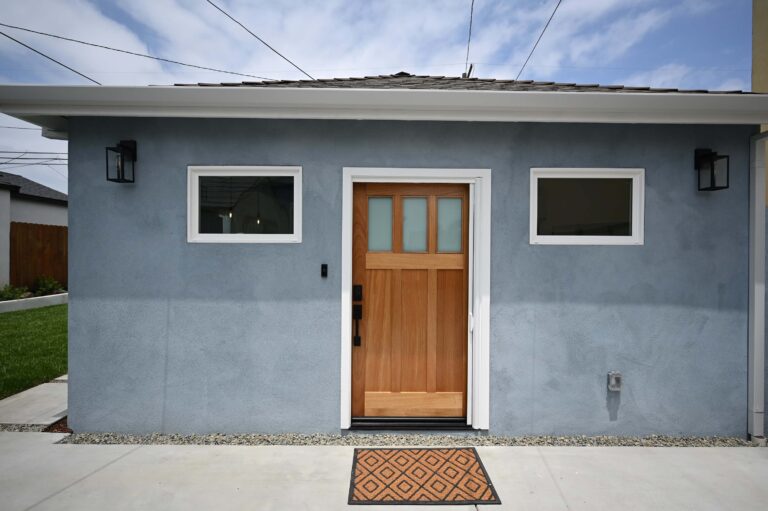
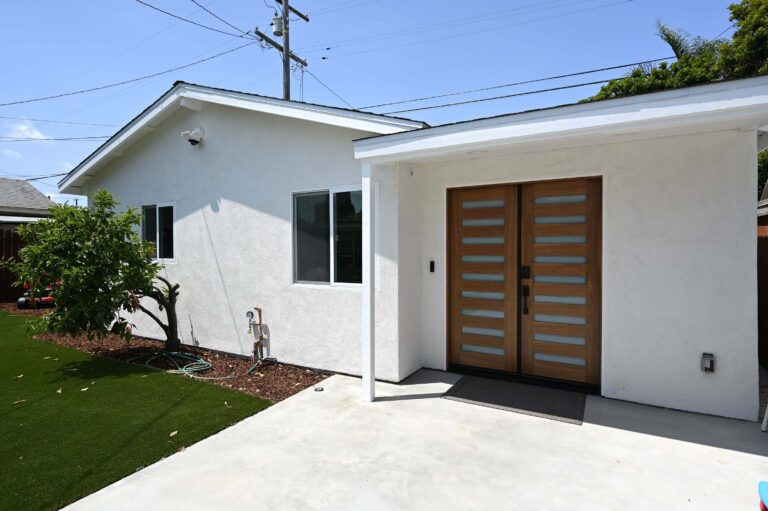
ADUs are secondary, smaller units that exist on the same property as the main home. They can serve several different purposes, including housing units for family members, a rental income unit, or even guest accommodations if you host often. An ADU grant provides financial assistance to cover your building costs.
Grants may come from the government, nonprofits, or other organizations. Grants often target specific groups that need affordable housing, often low-income families or older people. Applying for an ADU grant takes careful planning and detailed research. Consider the following steps if you want to secure grant funding for your ADU.
Step 1: Do Your Research
Research grants that you qualify for. You can find much of this information online. Specifically, you should look into local government programs, state housing authorities, nonprofit organizations, federal assistance programs, and ADU-specific grant programs. Review the eligibility requirements for each grant. Compile a list of grants that you qualify for as you do your research.
Step 2: Gather Information
Before you dive into an application, verify that you qualify for all of the grants you compiled in Step 1. Completing this ahead of time can save valuable time during the grant application process. If possible, get it in writing that you are eligible. The best way to do this is to email the main point of contact on the grant.
Once you have verified eligibility for a certain grant, gather the necessary documentation. Each grant is different, so compile a list of documents needed for each application. Required documents will often include proof of property ownership, income verification, ADU construction plans, permits, budget estimates, and contractor quotes from a design and build firm.
Step 3: Write Your Application
Once you have gathered the necessary documentation, it is time to write your grant applications. Filling out your application can be time-consuming, but you will finish it much more quickly if you have all the necessary information gathered. Use your information to draft a well-organized application, and make sure to edit it before submitting.
Also, consider having a trusted friend or family member review the grant application instructions and your application. Extra eyes on your application will make it more likely that there are no mistakes that keep you from getting the grant. Be sure to follow the instructions carefully and avoid missing any steps. Organize the application exactly as requested. If there were no instructions, organize it as clearly as possible. Use a table of contents and page numbers for easy reading.
Step 4: Submit Your Application
Once you have completed the application, edited it, and had someone review it, submit it. Submit your application well in advance of the deadline. Many online applications provide a confirmation email. If you do not receive one, kindly contact the grant application contact for confirmation.
Another helpful tip after you apply is to ask questions about the timeline, such as when additional information may be required and when you will hear about a decision. If you have not heard anything after important deadlines, be sure to follow politely.
2026 Update: Where ADU Grant Money Stands
The CalHFA ADU Grant (up to $40,000 for pre-development costs) has been funded in waves — rounds open and close quickly, so join the CalHFA notification list and have your documents ready. Also check: local programs (LA County’s ADU pilot programs), and utility rebates for all-electric ADUs. Even without a grant, the math usually works: see what LA ADUs rent for and our garage conversion costs.
Ready to take the next step? Explore our ADU design & construction services, or see how we serve homeowners in Manhattan Beach and Redondo Beach. Free consultations: (805) 367-1965.
FAQ
Frequently Asked Questions
How do I get a grant for an ADU?
Research the grants you qualify for, then verify eligibility in writing before you apply. Gather the required documents for each program, write a well-organized application, have someone review it and submit it well before the deadline.
What ADU grants are available in California?
The CalHFA ADU Grant (up to $40,000 for pre-development costs) has been funded in waves, and rounds open and close quickly. Also check local programs such as LA County's ADU pilot programs, and utility rebates for all-electric ADUs.
What documents do I need for an ADU grant application?
Required documents often include proof of property ownership, income verification, ADU construction plans, permits, budget estimates and contractor quotes. Each grant is different, so compile a separate document list for each application.
Who qualifies for an ADU grant?
Grants come from the government, nonprofits and other organizations, and each sets its own eligibility rules. Many target groups that need affordable housing, often low-income families or older people. Review the requirements for each grant and confirm eligibility by email with the program contact.
What should I do after submitting an ADU grant application?
Watch for a confirmation email, and contact the grant program if you do not receive one. Ask about the timeline, including when additional information may be required and when you will hear about a decision, and follow up politely after key deadlines.
Planning an ADU in Los Angeles or Ventura County?
Most grant applications ask for plans, permits and a contractor quote. Request a free consultation and we will give you a real number for your ADU that you can submit with your application.
Let’s talk about your home
Let’s build something great together
Tell us what you have in mind. One of our project managers will reach out to schedule a consultation and walk you through the next steps.
- Design and build under one roof
- Family-owned, CA License #1081122
- Serving Los Angeles and Ventura County
Request a consultation



Awards







Our work
Completed ADU Projects
Real homes RnD Builders finished across Los Angeles and Ventura County.