Replacing a lawn that drinks water all summer is a common yard decision in Southern California. Is ground cover right for your yard, or will it trade one maintenance problem for another? The answer depends on sun, slope, foot traffic and climate. The sections below walk through the pros, the drawbacks and the conditions where each choice makes sense.
When homeowners look for low-maintenance landscaping solutions, ground cover plants often rise to the top of the list. These plants help fill empty spaces, reduce weeds, and add visual appeal to your yard. This makes them a practical alternative to traditional grass lawns.
But before you commit, it’s important to understand what ground cover truly offers and whether it makes sense for your yard, climate, and long-term plans.
What Is Ground Cover?
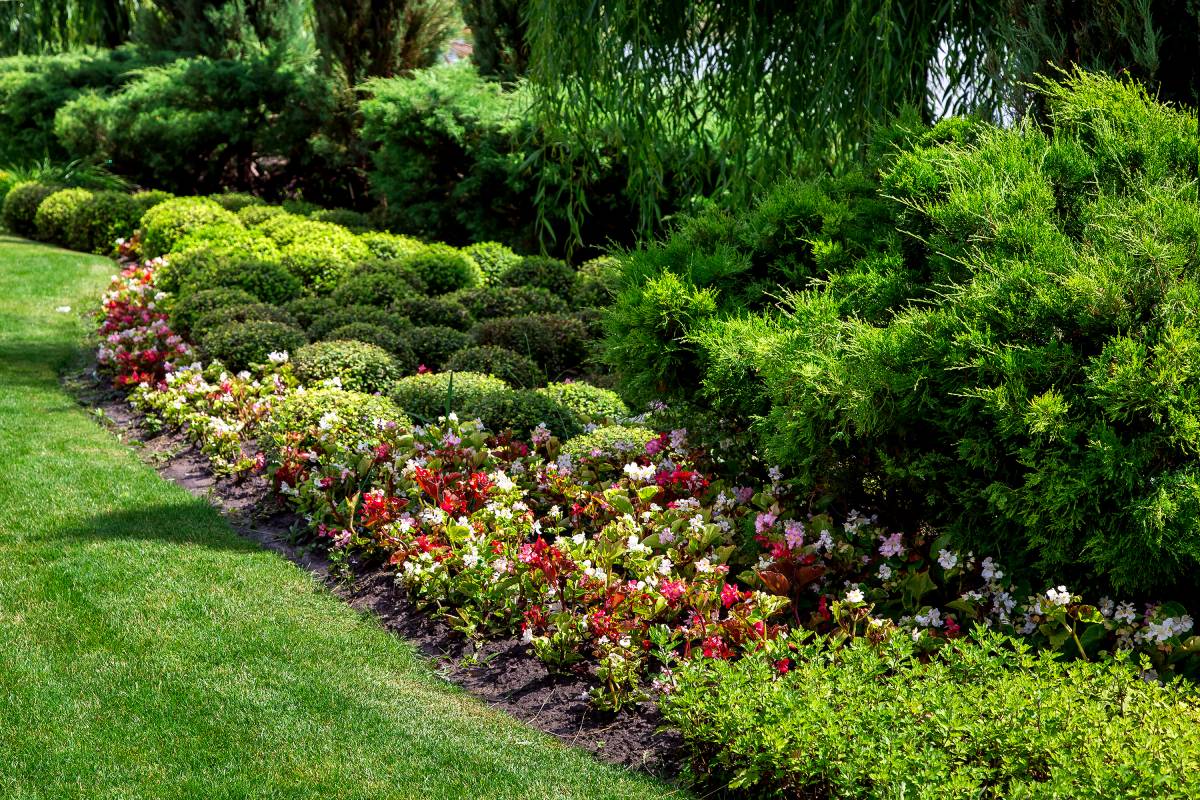
Ground cover refers to low-growing plants that grow horizontally to form a dense, carpet-like layer across the soil. Unlike grass, many ground covers require less mowing, less water, and fewer chemical treatments. You can find many ground cover options for nearly any climate—from shade-loving varieties to drought-tolerant choices perfect for dry regions.
Pros of Using Ground Cover Plants
- Low Maintenance: Once established, many ground covers require significantly less upkeep than a grass lawn. They typically need less mowing (or none at all), minimal fertilizing, and infrequent watering depending on the variety.
- Erosion Control: Dense roots help stabilize soil on slopes or uneven terrain, making ground cover a strong choice for preventing erosion where grass struggles to grow.
- Weed Suppression: Because ground cover grows thick and fast, it naturally blocks sunlight from reaching weed seeds—reducing the need for chemical sprays or constant pulling.
- Visual Appeal and Variety: From creeping thyme to ajuga to clover, ground cover offers more color and texture options than standard turf. This can instantly elevate your landscape design and boost curb appeal.
Cons of Using Ground Cover Plants
- Higher Upfront Labor: Establishing ground cover often requires more prep work than laying sod, including soil conditioning, spacing plants, and watering consistently during the early growth stage.
- Slower to Establish: Most ground covers take time—sometimes months—to fully fill in. Homeowners who want an instant finished look may find this frustrating.
- Can Spread Aggressively: Some ground covers expand quickly and may invade flower beds or walkways if not properly contained. Choosing the right species is crucial.
- Not Ideal for High Foot Traffic: Unlike grass, many ground covers don’t tolerate frequent walking, running, or play. If you have pets or children who use the lawn heavily, grass may still be the better option for main activity areas.
Cost Considerations
Ground cover can be cost-effective long-term, but the upfront investment varies depending on plant type, yard size, and amount of preparation needed on-site.
Upfront Costs
Ground cover can vary depending on the plant type as well as soil prep and installation. Mass-planting small starters reduces material cost but takes longer to fill in. Larger, more mature plants establish faster but cost more initially.
Maintenance Costs
Ground cover often saves money over time. Homeowners typically spend less on:
- Watering
- Fertilizers
- Mowing and equipment
- Weed control
- Seasonal lawn repair
For many, the lower long-term maintenance makes the initial investment worthwhile.
When Ground Cover Is a Smart Choice
Ground cover may be right for your yard if you:
- Have sloped, shady, or dry areas where grass won’t thrive
- Want a low-maintenance alternative to turf
- Prefer landscaping with more color and visual interest
- Aim to reduce long-term upkeep costs
It’s especially useful for difficult spots—around trees, steep hillsides, or areas where mowing is unsafe or impractical.
How to Choose the Right Ground Cover
To select the best option for your yard, consider:
- Sun exposure: Full sun, partial shade, or full shade
- Soil type: Clay, sandy, rocky, or loamy
- Maintenance preference: Fast-growing (more trimming) vs. slow-growing (less upkeep)
- Climate: Drought conditions, heavy rainfall, frost, or humidity
- Desired look: Flowering, evergreen, or textured foliage
A professional landscaping team can help evaluate your yard and recommend varieties tailored to your property.
FAQ
Frequently Asked Questions
Is ground cover right for your yard?
Ground cover may be right for your yard if you have sloped, shady, or dry areas where grass won't thrive, or you want a low-maintenance alternative to turf. It is especially useful around trees, on steep hillsides, and in areas where mowing is unsafe or impractical. Many varieties do not tolerate high foot traffic.
What are the pros and cons of ground cover vs grass?
Many ground covers need less mowing, less water, and fewer chemical treatments, and dense roots help control erosion on slopes. On the downside, they take more upfront prep than laying sod, can take months to fill in, and some species spread aggressively into beds and walkways.
Is ground cover cheaper than a lawn?
Ground cover can be cost-effective long-term, but the upfront investment varies with plant type, yard size, and soil prep. Homeowners typically spend less over time on watering, fertilizers, mowing, weed control, and seasonal lawn repair.
How do I choose the right ground cover for my yard?
Match the plant to your sun exposure, soil type, and climate, then decide on maintenance: fast-growing varieties need more trimming, slow-growing ones need less upkeep. Finally, pick the look you want, whether flowering, evergreen, or textured foliage.
Should I plant small starters or larger ground cover plants?
Mass-planting small starters reduces material cost but takes longer to fill in. Larger, more mature plants establish faster but cost more initially.
Planning a Landscape Project in Los Angeles or Ventura County?
Tell us about the lawn or slope you want to replace using the form below. We will schedule a free site visit, review sun and soil conditions, and price the installation.
Get started
Have a project in mind?
Share a few details about your remodel, addition or ADU and we’ll set up a meeting with one of our project managers.
- (805) 367-1965
- info@rndbuildersinc.com
- CA License #1081122



Awards







Our work
Recently Completed Projects
Real homes RnD Builders finished across Los Angeles and Ventura County.
 Pool & BackyardLos Angeles Pool & Backyard ConstructionView project
- Outdoor LivingThousand Oaks Patio Cover ConstructionView project
- Home AdditionCalabasas Home Addition & RemodelView project
- Home AdditionManhattan Beach Home Addition & RemodelView project
- Custom HomeWoodland Hills Custom HomeView project
- Home RemodelThousand Oaks Home RemodelView project